
The Food Date Vocabulary Problem
When you purchase food items at your local grocery store, you may notice a printed sell by date, use by date or best before date on the packaging and wonder just what that date really means. Here at Eat By Date we are doing our best to make sure that you, the conscious consumer, are fully informed about the true shelf life of the most popular food items. As we have learned, most food is still edible after their printed expiration dates have passed.
When reviewing the printed date on the food item in question, you may find it interesting to learn the following facts associated with the shelf life of foods.
Food Shelf Life Laws

Food Shelf Life Definition
Below is a standard definition for “Shelf Life,” but please see the individual pages of this website for specific food items in order to know how long each may be safely used and for other specific Shelf Life information.
So, what is the “Shelf Life” of a food item?
The “Shelf Life” of food is how long it may be stored (exist on a shelf) before the quality deteriorates. Shelf life is used in reference to these common codes: (Use by Date, Sell by Date, and Best Before Date). The Shelf Life depends on which code is used and the type of product in question. Please see the specific page for your product to determine the proper shelf life of food because the Shelf Life is different for each particular item!
Our Favorite Food Storage Set!


With oven-safe glass and water-tight lids, these food storage containers are ready for action! Not a Prime Member? Try a 30-day free trial today!
Printed Date Definitions
▶"Best Before" Date Definition▶"Use By Date" Definition
▶"Sell By Date" Definition
▶"Shelf Life" Definition
Frequently Asked Questions
Click HERE for all of our FAQ’s▶
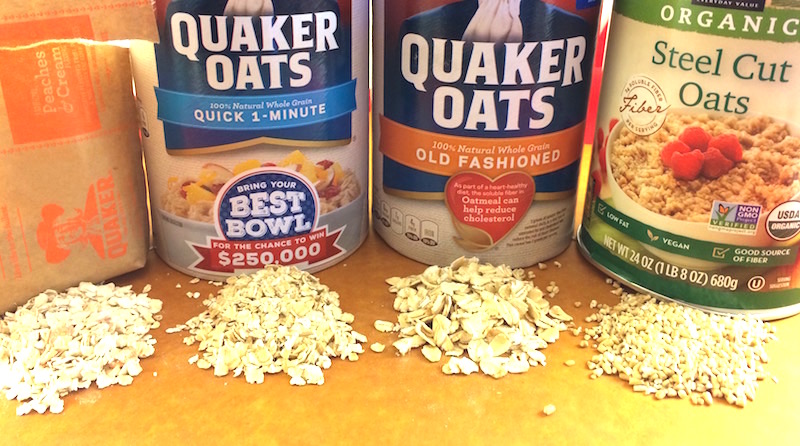 Is All Oatmeal Created Equal?
Details the different types of oatmeal, how the
differ and how they are the same.
Is All Oatmeal Created Equal?
Details the different types of oatmeal, how the
differ and how they are the same.▶4 Amazing Quick Prep Tricks
▶
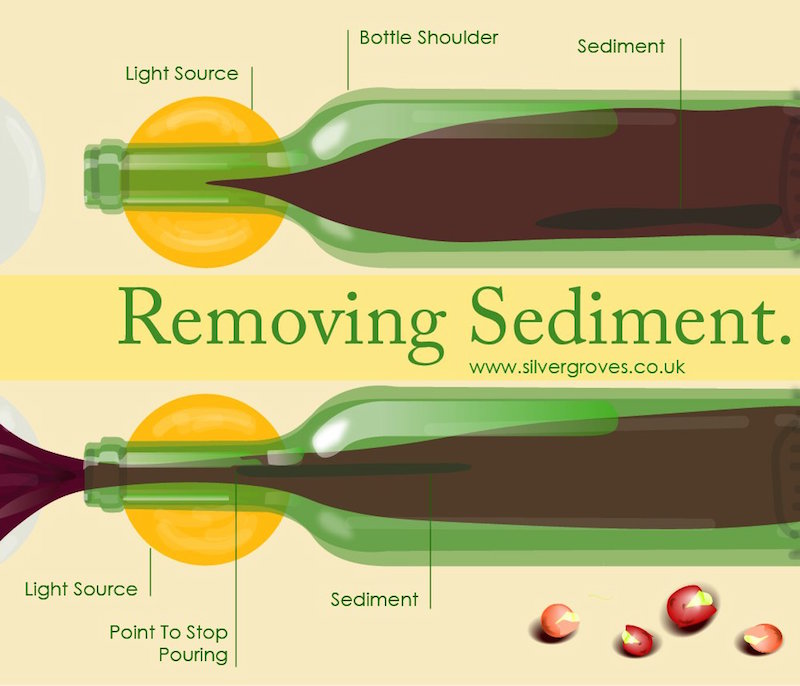 Wine Sediment? How to remove and
then use wine sediment.
Wine Sediment? How to remove and
then use wine sediment.▶Is Kale Good For You?
▶
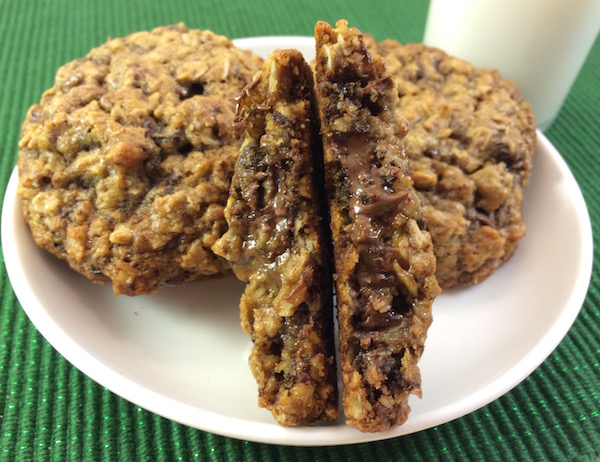 Nutella cookies? How to make yummy
Nutella cookies.
Nutella cookies? How to make yummy
Nutella cookies.▶Do hard boiled eggs have to be refrigerated?
▶
 ▶How to keep your sponge clean? A
sponge harbors germs if not properly maintained.
▶Can You Freeze Cheese?
▶How to keep your sponge clean? A
sponge harbors germs if not properly maintained.
▶Can You Freeze Cheese?▶
 How to Keep Apples from Turning Brown?
Explore the ways.
How to Keep Apples from Turning Brown?
Explore the ways.
▶How long to cook corn?