- 13shares
- 12
How Long Does Freezing Last
“Freezing is an indefinite form of storage.” We say that on most every page, but occasionally you may find something in the bottom of your freezer that you can barely identify! So, what exactly is an indefinite form of storage, what does it really mean?
In reality, many things do “go bad” while stored in your freezer. The quality may be deteriorated to a point where you will not want to consume the product. The majority of Eat By Date pages contain products that “expire” somewhere around 6 to 12 months in the freezer.
Let’s talk a little more about what freezing really does.
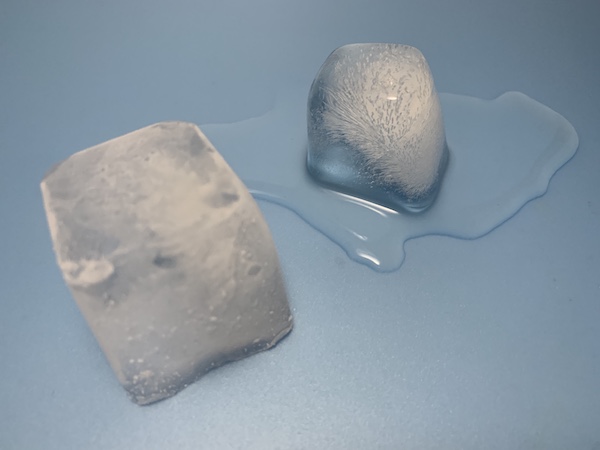
How Long Does Freezing Last
Background Info
According to the U.S. Food and Drug Administration (FDA), foods kept at a constant temperature of 0° F are safe [1]. But in reality, most home freezers do not keep a constant temperature below 0° F. Freezing at or below 0° F inactivates bacteria, mold and yeast. Molecules stop moving when frozen and thus micro organisms can no longer grow. But remember, once thawed they again become active. Another important point to realize is that home freezers do not get cold enough to destroy parasites. So, when freezing foods begin with good food so that the freshness, nutrients and quality will be preserved.
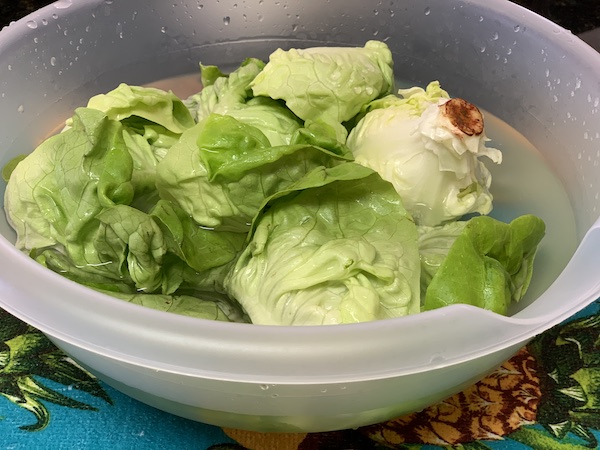
Most foods can be frozen, but with varying degrees of success. Canned goods and eggs still in the shell are the exception… You may remove the food from the can or shell and then freeze it, but never freeze foods in cans or shells. Some foods, for instance creams, mayonnaise and certain fresh vegetables like lettuce drastically change when frozen and become undesirable (although safe). These products are noted within the Eat By Date pages.
It is also important to note that enzyme activity is slowed by the freezing process, but is not completely stopped.
How Long Does Freezing Last
For Additional Information
To find out how long frozen fruit lasts, check out our frozen fruit page.
For freezing some unusual items, check our pages on freezing milk and freezing cheese.
Our Favorite Food Storage Set!


With oven-safe glass and water-tight lids, these food storage containers are ready for action! Not a Prime Member? Try a 30-day free trial today!
Printed Date Definitions
▶"Best Before" Date Definition▶"Use By Date" Definition
▶"Sell By Date" Definition
▶"Shelf Life" Definition
Frequently Asked Questions
Click HERE for all of our FAQ’s▶
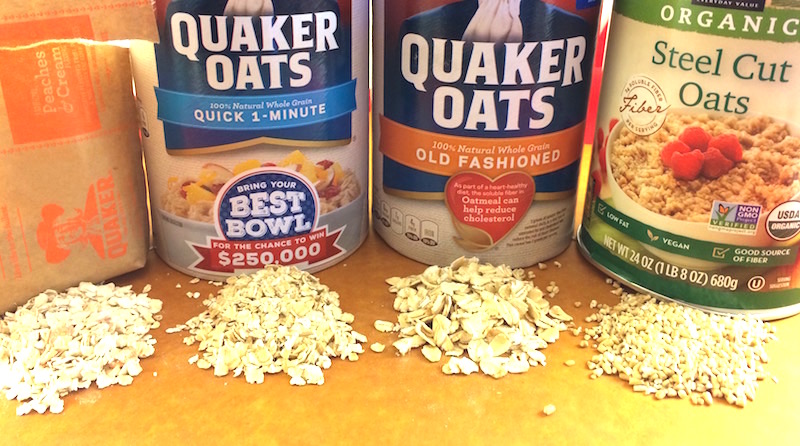 Is All Oatmeal Created Equal?
Details the different types of oatmeal, how the
differ and how they are the same.
Is All Oatmeal Created Equal?
Details the different types of oatmeal, how the
differ and how they are the same.▶4 Amazing Quick Prep Tricks
▶
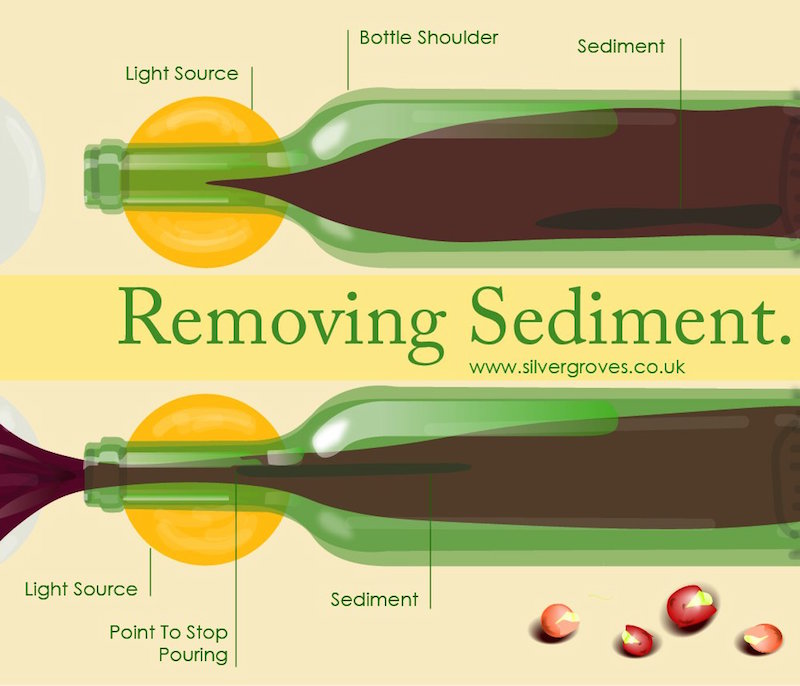 Wine Sediment? How to remove and
then use wine sediment.
Wine Sediment? How to remove and
then use wine sediment.▶Is Kale Good For You?
▶
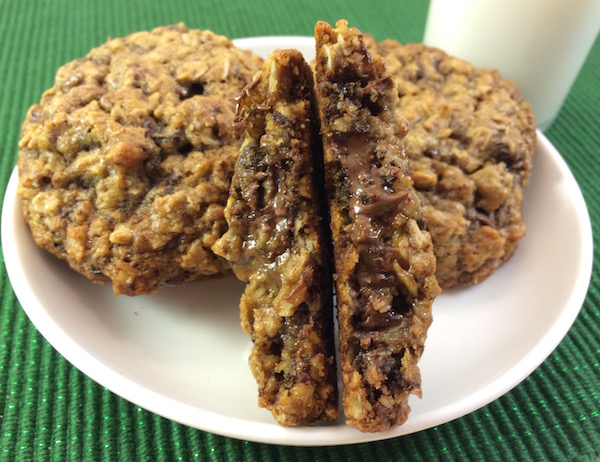 Nutella cookies? How to make yummy
Nutella cookies.
Nutella cookies? How to make yummy
Nutella cookies.▶Do hard boiled eggs have to be refrigerated?
▶
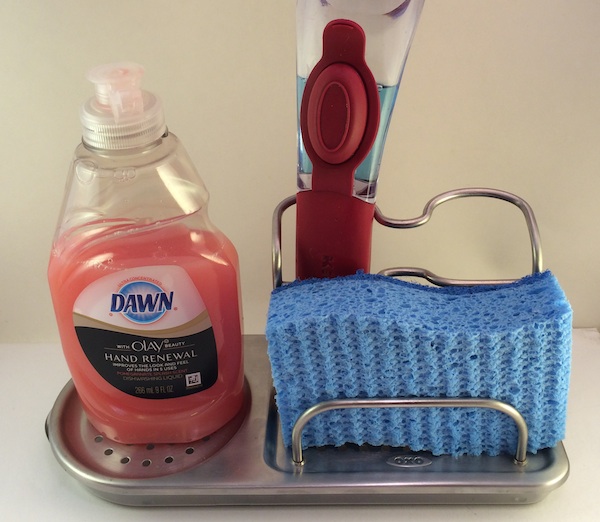 ▶How to keep your sponge clean? A
sponge harbors germs if not properly maintained.
▶Can You Freeze Cheese?
▶How to keep your sponge clean? A
sponge harbors germs if not properly maintained.
▶Can You Freeze Cheese?▶
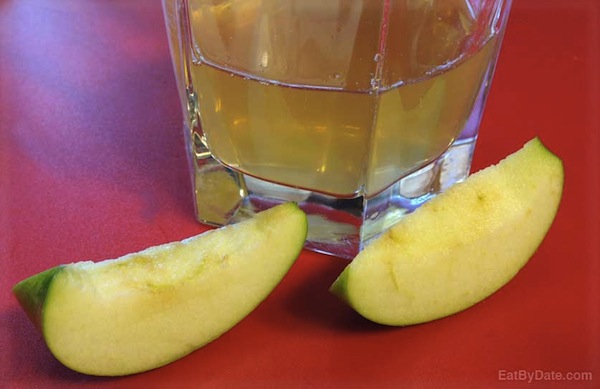 How to Keep Apples from Turning Brown?
Explore the ways.
How to Keep Apples from Turning Brown?
Explore the ways.
▶How long to cook corn?